Skip to content

Industries

Every industry works differently. Marketing has to account for it.

I work with companies across different industries, but I don’t apply the same model to all of them. Margins, sales cycles, distribution, capacity, customer journeys and data change from one business to another. Strategy has to start from those differences.

Shared competencies

The same competencies

  • Google Ads
  • Analytics and tracking
  • MarTech and automation
  • CRO and customer journey

Applied to eight contexts

  • Hospitality
  • Travel, tours and experiences
  • Professional education
  • Student education
  • Wellness
  • Sport and merchandising
  • Online services and lead generation
  • Gaming and mobile apps
The competencies stay the same. What changes are the questions they must answer, the metrics that count and the operational constraints.

Why context matters

Knowing the industry reduces diagnostic errors

The same conversion doesn’t carry the same value in every company. The same ROAS can hide very different levels of profitability. Seasonality, capacity, distribution platforms and internal processes change decisions before a campaign is even opened.

A campaign can be technically well managed and still produce a weak result if it ignores margin, capacity, availability, decision times and internal processes.
  • Lead quality has to be defined differently across education, services and hospitality
  • Seasonality and capacity change budget decisions
  • Distribution platforms can be an opportunity or a constraint
  • Website, CRM, booking engine or admissions process affect paid media

Same metric, different meanings

Metric: “recorded conversion”

Hospitality
A booking that can be cancelled and carries a different distribution cost by channel.
Professional education
An enquiry that becomes an enrolment weeks later, often offline.
Online services
A contact that only counts if it meets commercial criteria and replies.
Gaming and apps
An install that only counts when followed by the events tied to monetisation.
Design hotel room with a lounge area and stone bathtub

Featured industry

Hospitality: marketing, distribution and technology have to work together

In hospitality the result doesn’t depend on campaigns alone: it depends on how price, availability, distribution channels and property technology fit together. Increasing bookings without watching the cost of distribution can reduce margin instead of growing it.

The areas I work on most often are the share of direct bookings versus OTAs, Google Hotel Ads, booking engine conversion, price accuracy, tracking the real value of a booking, cancellations and the alignment between marketing and revenue management.

Direct experience

  • CMO of The Bright Hotel since 2020
  • Marketing responsibility across 10 hotels in the United States
  • Daily work with revenue management, operations and technology
  • Involvement in booking engine, PMS, self check-in, websites, revenue and AI platforms
See the hospitality approach

Featured industry

Travel and experiences: demand, availability and distribution keep changing

In travel, performance has to be read by product, destination and time slot. A tour can be profitable in one language and not in another, or sell out its availability before scaling spend makes any sense.

The work covers seasonality and international demand, OTA dependency and direct sales, reviews and presence on Google Things to do, last-minute demand, cross-sell on alternative products and pre/post-tour communication through the CRM.

  • Seasonality and international demand
  • Performance by product and time slot
  • OTA dependency and direct sales
  • Reviews, Google Things to do and destination segmentation
  • Cross-sell, last-minute demand and pre/post-tour communication
Explore travel and experiences
Tour guide explaining the frescoes of a historic gallery to a small group of visitors

The other industries

Different contexts, different problems

Professional education and student education remain two separate industries, and so does wellness. Each block lists the challenges I meet most often and links to the dedicated page.

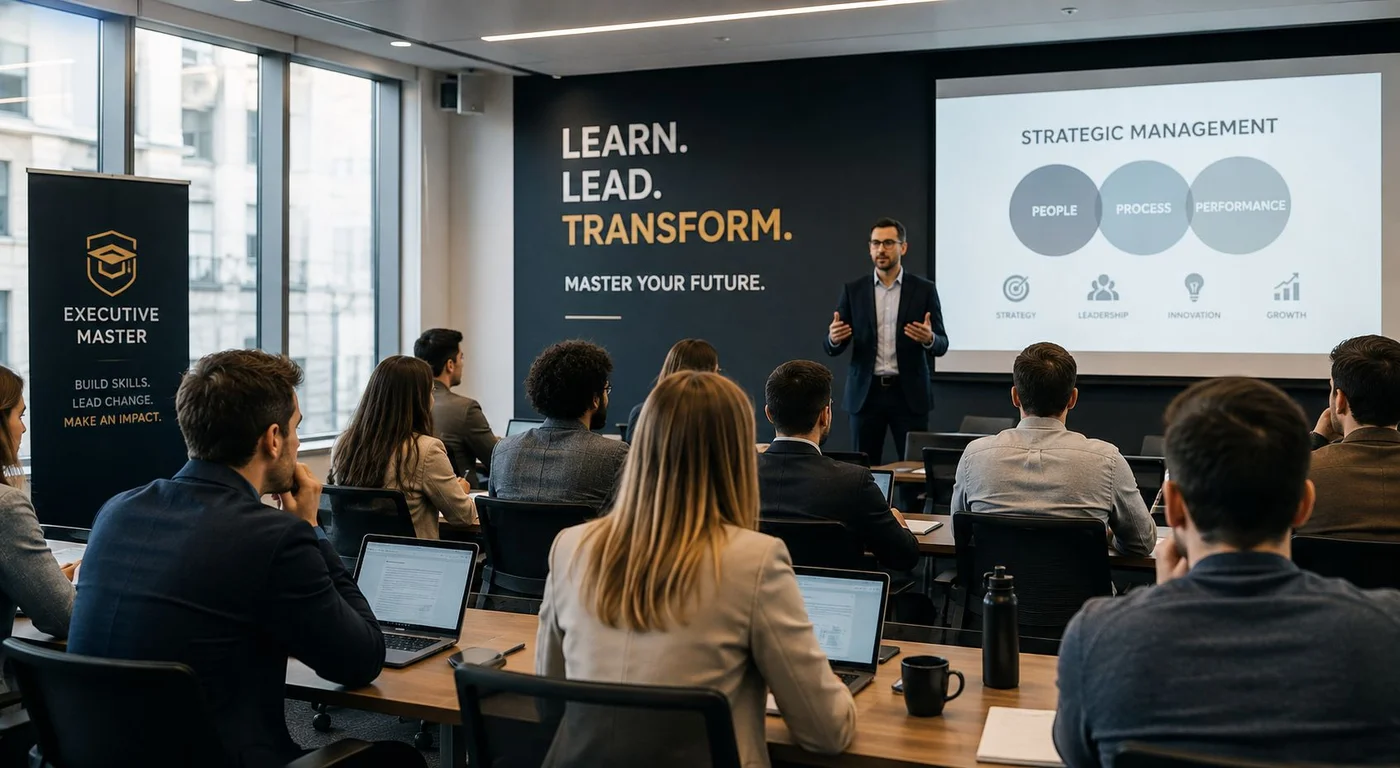
Executive master classroom with a lecturer presenting and professionals attending at their desks

Professional education

Masters, academies, professional courses and corporate training: generating leads isn’t enough, enrolments and margin per course are what count.

  • Lead quality and long decision cycles
  • Different economics for each course
  • Admissions process, open days and CRM stages
  • Offline conversion import
  • Intake capacity and lead-to-enrolment rate
See the professional education approach
Teacher presenting at an interactive whiteboard to a class of students

Student education

Guidance, trust and the decision journey: audience, journey and timing are not those of professional education.

  • Multiple decision makers: student, family and school
  • Long research phase and school-year seasonality
  • Information quality and engagement before conversion
  • Attribution across content and paid media
  • Different value by programme or student segment
Explore education and students
Massage in a treatment room with natural materials, candles and warm lighting

Wellness

Brands, spas, clinics, centres and specialised services: demand has to be judged together with trust, capacity and customer value over time.

  • Trust, credibility and sensitive or regulated claims
  • Local or national demand and contact quality
  • Conversion into an appointment or booking
  • Repeat purchase and lifetime value
  • Service delivery capacity
See the wellness approach
Game action during a basketball match with the crowd in the stands

Sport and merchandising

Sporting performance, community and commercial value follow different calendars but share the same audience.

  • Ticketing, memberships and official merchandise
  • Sponsors, events and calendar-driven launches
  • E-commerce, CRM and fan base loyalty
  • Seasonal demand peaks
  • Campaigns tied to unpredictable sporting results
Explore sport and merchandising
Workstation with dual screens showing data and acquisition workflows

Online services and lead generation

Lead volume isn’t enough: eligibility, responsiveness and margin per service are what matter.

  • Lead qualification and commercial criteria
  • Unit economics per service
  • Attribution, CRM and offline conversion import
  • Fraudulent or low-quality traffic
  • Nurturing and sales follow-up
See the online services approach
Illuminated gaming stations during a session in a gaming venue

Gaming and mobile apps

Acquisition, product data and value over time: an install isn’t a result, a monetising user is.

  • Tracking with Firebase and mobile measurement platforms
  • In-app event quality
  • Retention, monetisation and ROAS by cohort
  • Creative testing and platform integration
  • Discrepancies between data sources
Explore gaming and mobile apps

Application

The competencies are cross-sector. How they are applied changes.

The matrix shows where the work concentrates in each industry. It isn’t about ticking every box equally: it’s about making the differences visible.

How competencies are applied by industry
IndustryAdvertisingMeasurementCustomer journeyTechnologyOperational processEconomic KPI
HospitalityHotel Ads, brand and direct demandBooking value and cancellationsBooking engine and pre/post stayPMS, booking engine, CRMAlignment with revenue managementCost of distribution and margin
Travel and experiencesCampaigns by product and destinationPerformance by tour and time slotReviews, cross-sell, last minuteBooking system and feedsAvailability and seat managementMargin per product
Professional educationDemand by course and subject areaOffline conversions and CRM stagesOpen days, admissions, follow-upCRM and automationCoordination with admissionsEnrolments and margin per course
Education and studentsInformational demand and guidanceAttribution across content and paidLong research, several decision makersLearning platform and communitySchool calendarValue per programme
WellnessLocal or national demandContact quality and appointmentsTrust, reviews, repeat purchaseBooking and CRMService delivery capacityCustomer lifetime value
Sport and merchandisingLaunches, events and seasonalityE-commerce and ticketingFan journey and loyaltyStore, CRM, ticketingSporting and commercial calendarRevenue per campaign and launch
Online servicesHigh-intent demandQualification and offline importForms, nurturing, follow-upCRM and sales automationSales response timesMargin per lead and per service
Gaming and mobile appsUser acquisition and creative testingIn-app events and data qualityOnboarding and retentionFirebase and mobile measurementReleases and product roadmapROAS by cohort and lifetime value

The table is keyboard navigable and readable by screen readers: each row describes an industry, each column an area of work.

Concrete examples

What changes when you know the context

These are the differences that move an operational decision, not generic statements about an industry.

  1. Hospitality

    Increasing bookings isn’t enough if the direct cost exceeds the cost of distribution.

    See the hospitality approach
  2. Education

    More form submissions aren’t enough if enrolments and value per course never return to the platforms.

    See the professional education approach
  3. Travel

    Scaling a product isn’t worth it when availability, cancellations or margin don’t allow it.

    Explore travel and experiences
  4. Online services

    A cheap lead can be useless if it doesn’t meet commercial criteria.

    See the online services approach
  5. Gaming

    An install doesn’t carry the same value as a user completing the events tied to monetisation.

    Explore gaming and mobile apps
  6. Wellness

    Demand has to be judged against capacity, trust and customer value over time.

    See the wellness approach

Other contexts

Your industry isn’t on this list?

These are the industries where I have the deepest experience, not a rigid limit. I also consider companies from other fields when the problem requires Google Ads, analytics, MarTech, CRO, lead generation or marketing leadership.

I am also available for fractional CMO assignments outside hospitality and travel, when senior and continuous marketing leadership is needed.

Tell me about your context

Direct answers

Frequent questions about industries

Which industries does Fabio De Leonardis work in?

Hospitality, travel and experiences, professional education, student education, wellness, sport and merchandising, online services and lead generation, gaming and mobile apps. These are the industries with the most direct experience, not an exclusive list.

Experience and projects

Why does industry knowledge matter when choosing a consultant?

Because it reduces diagnostic errors. Someone who knows the context knows which metrics describe the result, which operational constraints exist and which actions don’t apply, without discovering it at the expense of the budget.

How I work

What are the main differences between hospitality and travel marketing?

In hospitality the core issue is distribution: direct booking versus OTA, price, availability and cost of distribution. In travel, performance is read by product, destination and time slot, with limited availability and strong seasonality.

Hospitality approach

How does lead generation differ between professional education and online services?

In professional education the cycle is long and the enrolment often happens offline, so CRM stages and imported conversions matter. In online services evaluation is faster and focuses on contact eligibility, response times and margin per service.

Online services and lead generation

Are education and wellness the same industry?

Education and wellness are two distinct industries. They can overlap in a company that provides training in the wellness field, but they require separate taxonomies, audiences and strategies.

Wellness marketing

Which metrics matter in hotel marketing?

Direct booking share, cost of distribution, the real value of a booking net of cancellations, booking engine conversion and margin. Booking volume alone doesn’t describe the economic result.

Hospitality in detail

Which skills are needed for mobile app marketing?

Tracking with Firebase or a mobile measurement platform, in-app event definition, retention and monetisation analysis, ROAS by cohort and continuous creative testing. Without reliable events, acquisition optimises on signals unrelated to value.

Gaming and mobile apps

Does Fabio also work with companies outside these industries?

Yes. The listed industries are those with the deepest experience, but I consider projects from other fields when the problem involves Google Ads, measurement, MarTech, CRO, lead generation or marketing leadership.

Let’s discuss it

Industry matters. But the starting point is still the problem to solve.

Tell me how your company works, which channels you use and where you are running into difficulty. The first conversation is there to understand whether my experience is useful in your context.